Managing Workplace Emotions Without Shutting Down
People may not always say it out loud, but workplaces are emotional environments. Deadlines, feedback, conflict, stress, and change all influence how people feel. Many individuals cope with strong emotions by shutting down, pulling away, disengaging, or becoming emotionally distant. While this may feel protective in the moment, it often harms communication, performance, and well-being over time.
Learning how to manage emotions at work without shutting down is essential for maintaining healthy relationships, clear thinking, and sustained productivity.
Why Shutting Down Feels Like the Safest Option
Shutting down often occurs when emotions feel overwhelming. When stress, frustration, or anxiety intensify, the nervous system may interpret the situation as a threat.
In these moments, withdrawal can feel safer than engagement. However, emotional shutdown limits collaboration, weakens problem-solving, and increases misunderstandings. What begins as self-protection can unintentionally disconnect individuals from their work and coworkers.
What Emotional Suppression Looks Like at Work
Many workplace cultures implicitly reward emotional suppression. Employees may feel pressure to appear calm, composed, or unaffected, even when emotions are running high.
Suppressing emotions does not eliminate them. Instead, unacknowledged feelings often resurface as burnout, irritability, or disengagement. Managing emotions effectively means recognizing them without allowing them to control behavior or decisions.
Emotion Awareness Is the First Step
Awareness is the foundation of emotional management. Emotion awareness involves noticing emotions as they arise and naming them accurately.
When individuals can recognize emotions like frustration, disappointment, or anxiety early, they gain more options for how to respond. Awareness prevents emotions from quietly building until shutting down feels like the only option. Discover Why Emotional Awareness Is a Skill, Not a Personality Trait.
Pausing Instead of Withdrawing
One of the most effective alternatives to shutting down is learning to pause. A pause creates space between emotional experience and action.
This might involve taking a few deep breaths before responding to feedback, asking for a moment during a tense conversation, or stepping away briefly to regulate. Pausing allows emotions to settle enough for thoughtful engagement rather than emotional withdrawal. Learn about Pausing for Better Emotional Regulation.
Regulating Emotions Without Ignoring Them
Regulation does not mean hiding emotions or pretending they do not exist. It means managing emotional energy in ways that support effective functioning.
Strategies such as grounding exercises, reframing thoughts, and labeling emotions help reduce intensity without shutting emotions off. Regulation keeps individuals present, responsive, and engaged, even during challenging situations. Find Out Emotion Regulation Strategies You Can Try Today.
Communicating Emotions Professionally
Managing emotions at work does not require emotional silence; it requires appropriate expression.
Using clear, respectful language, such as “I’m feeling overwhelmed and need clarification” or “I’m frustrated about this delay,” allows emotions to be acknowledged without escalating conflict. This kind of communication builds trust and reduces misunderstanding. Check Out 10 Communication Skills That Improve Relationships.
The Importance of Psychological Safety
People are less likely to shut down emotionally when they feel psychologically safe. Psychological safety exists when individuals believe they can express concerns, ask questions, or acknowledge emotions without fear of punishment or ridicule.
Leaders and teams that normalize emotional awareness create environments where engagement replaces withdrawal. This strengthens collaboration and supports healthier workplace dynamics. Review The Role of SEL in Building Psychological Safety.
Preventing Burnout Through Emotional Engagement
Chronic emotional shutdown is often a warning sign of burnout. When people disconnect emotionally for extended periods, motivation and satisfaction decline.
Proactively managing emotions through awareness, regulation, and communication helps sustain energy and engagement. Emotional presence supports resilience, creativity, and long-term performance. Read How Emotional Intelligence Reduces Burnout.
Staying Present Without Losing Yourself
Managing emotions at work is not about being emotionless. It is about staying present without becoming overwhelmed.
When individuals learn to notice emotions, pause intentionally, and respond with purpose, they remain connected to their work, their teams, and themselves. Emotional management without shutdown is a skill that supports success in both professional and personal contexts.
How the Mood Meter Supports Healthy Emotional Management at Work
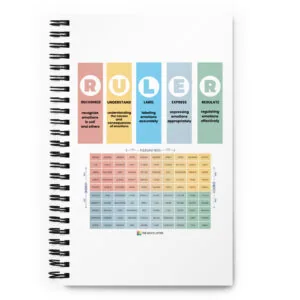
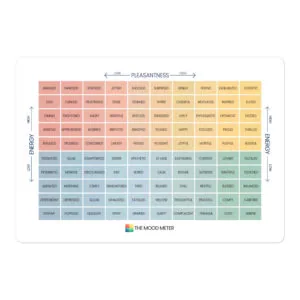
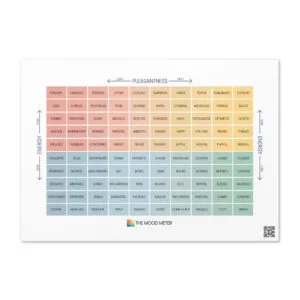
The Mood Meter helps individuals manage workplace emotions without shutting down by supporting accurate emotion recognition based on emotional energy and pleasantness. By using the Mood Meter framework as a shared emotional language, employees and leaders gain clarity about their emotional states and learn to choose regulation strategies that maintain engagement rather than withdrawal. Explore Mood Meter Check-Ins for Emotional Intelligence in Remote Work.
This shared emotional understanding reduces miscommunication, supports thoughtful responses, and strengthens emotional balance and well-being in professional settings.
-

-

The Mood Meter & RULER White Glossy Ceramic Mug
Price range: $11.00 through $14.50 -
-
Bubble-Free Stickers – Durable High-Opacity Vinyl for Smooth Application
Price range: $11.50 through $27.00 -

-
The Mood Meter Greeting Card – Premium Paperboard with Envelope
Price range: $11.50 through $16.50